Skip to content
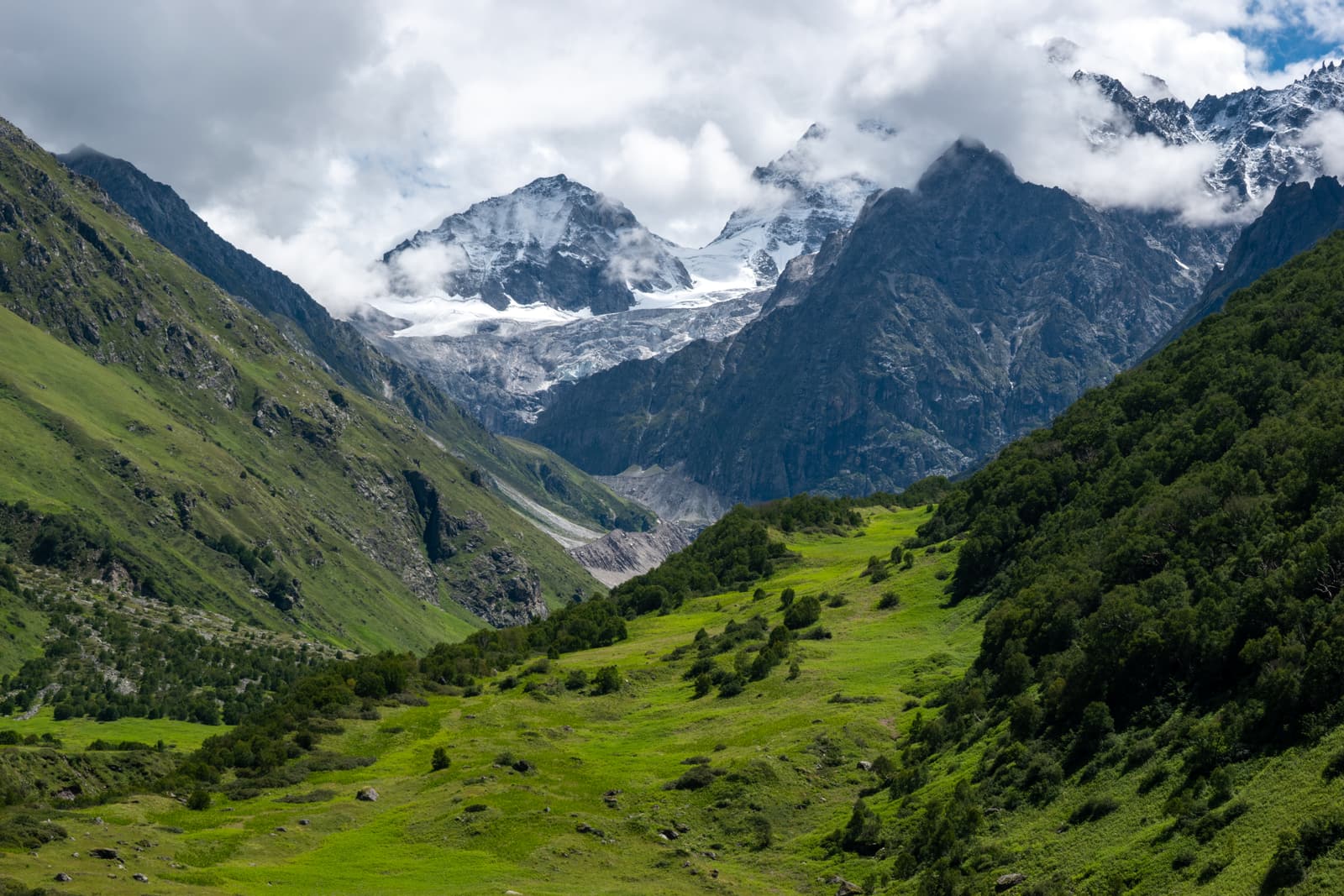
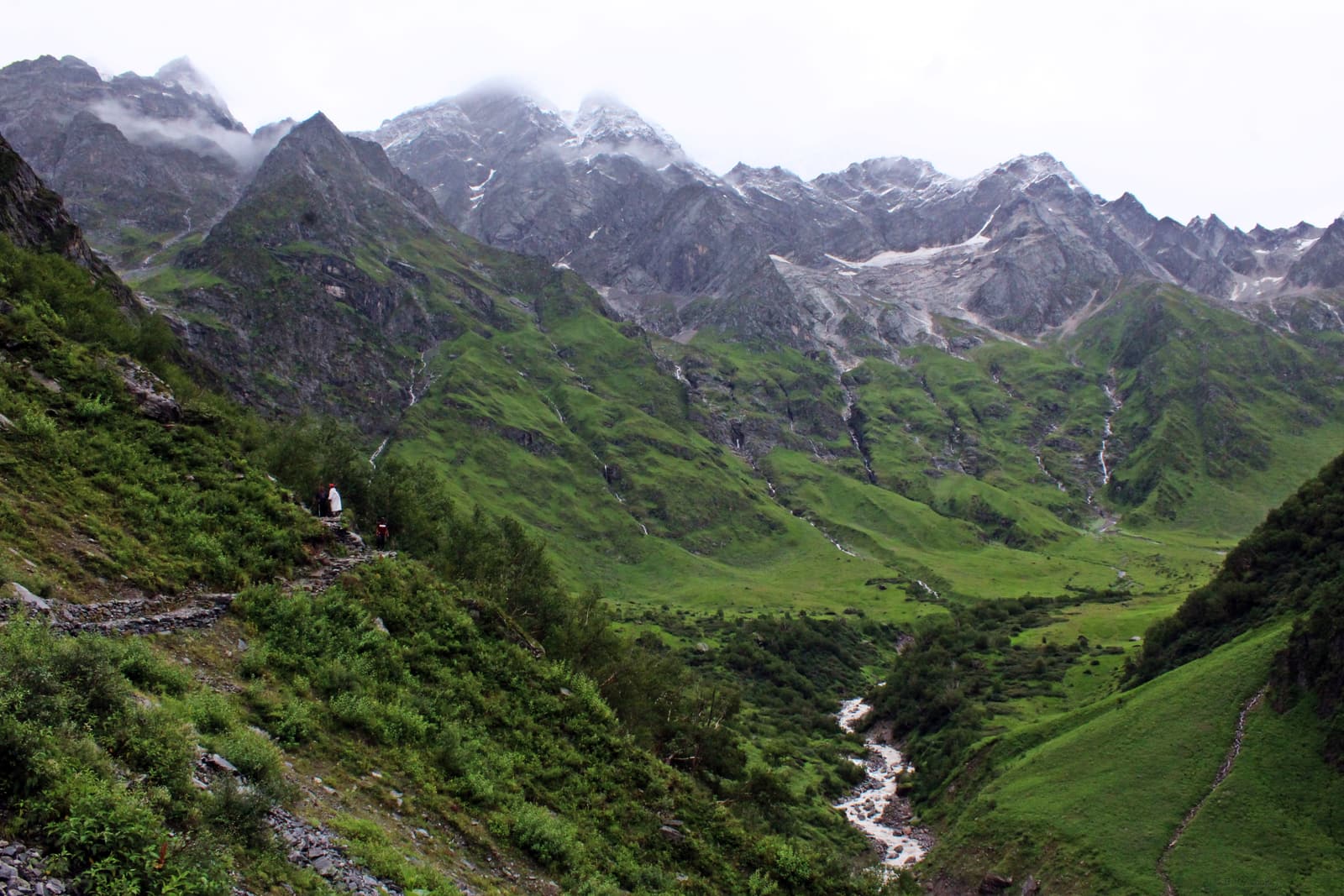
The trail above the Pushpawati river leading into the Valley of Flowers

Places on the Valley of Flowers Route

From the ghats of Haridwar to a glacial lake at 4,329 metres — the fourteen places that make up the journey.

A trip to the Valley of Flowers is a journey up a single river system. You start where the Ganga meets the plains, follow the Alaknanda past its sacred confluences to Joshimath, turn up a side valley on foot to Ghangaria and finally step into the park itself. Each stage has something worth stopping for.

We have grouped the places in three bands: the trek itself, the high valleys around Joshimath that make natural side trips, and the towns on the road from the plains.
On the trek

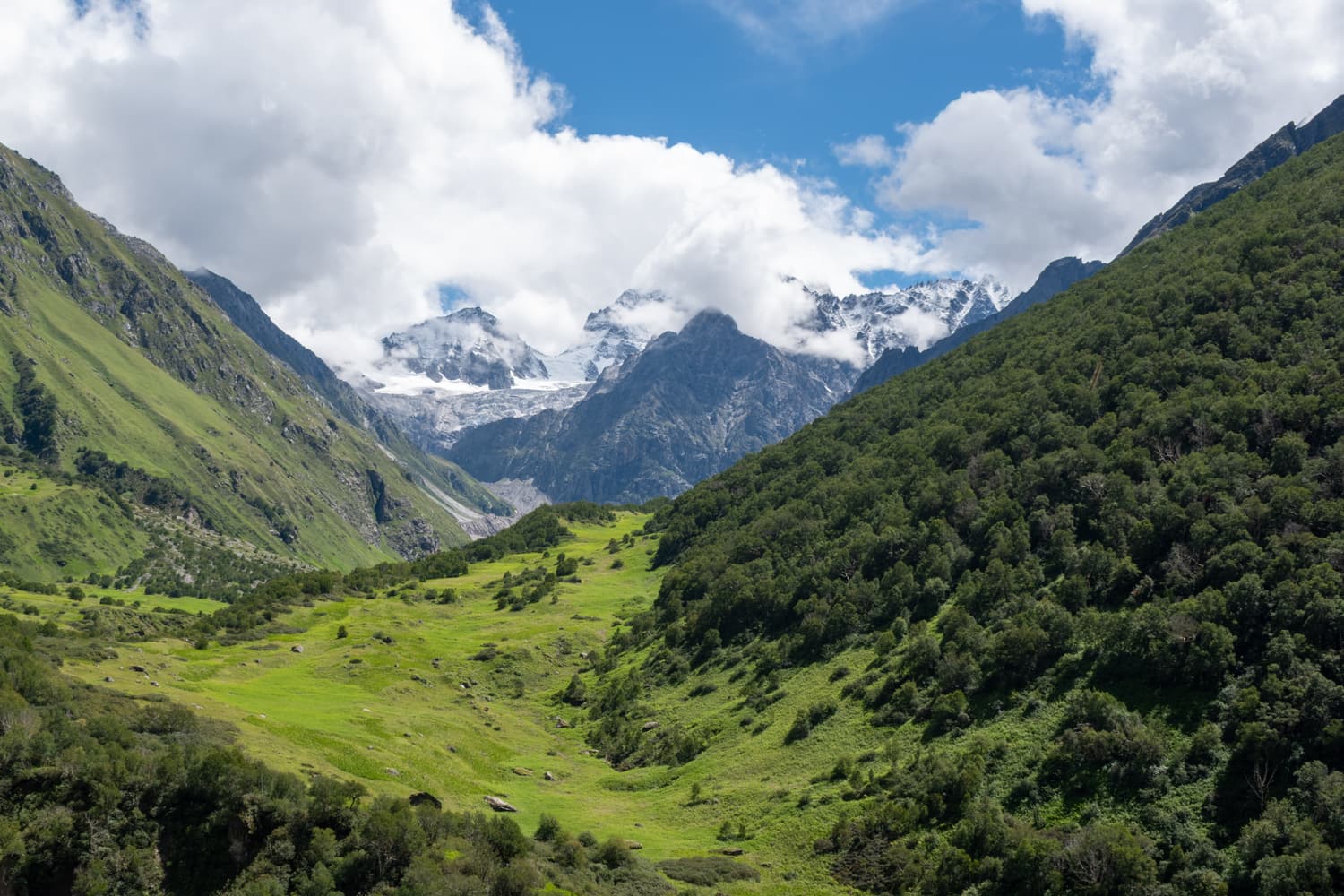
Green meadows and forested slopes in the Valley of Flowers with snow peaks at the valley head On the trek

Valley of Flowers National Park

A glacial valley that turns into a garden every monsoon

The park itself: a high valley of the Pushpawati river, roughly 3,300 to 3,700 metres up, where hundreds of species of alpine flowers bloom between June and September. A UNESCO World Heritage Site, open to day hikers only from Ghangaria.

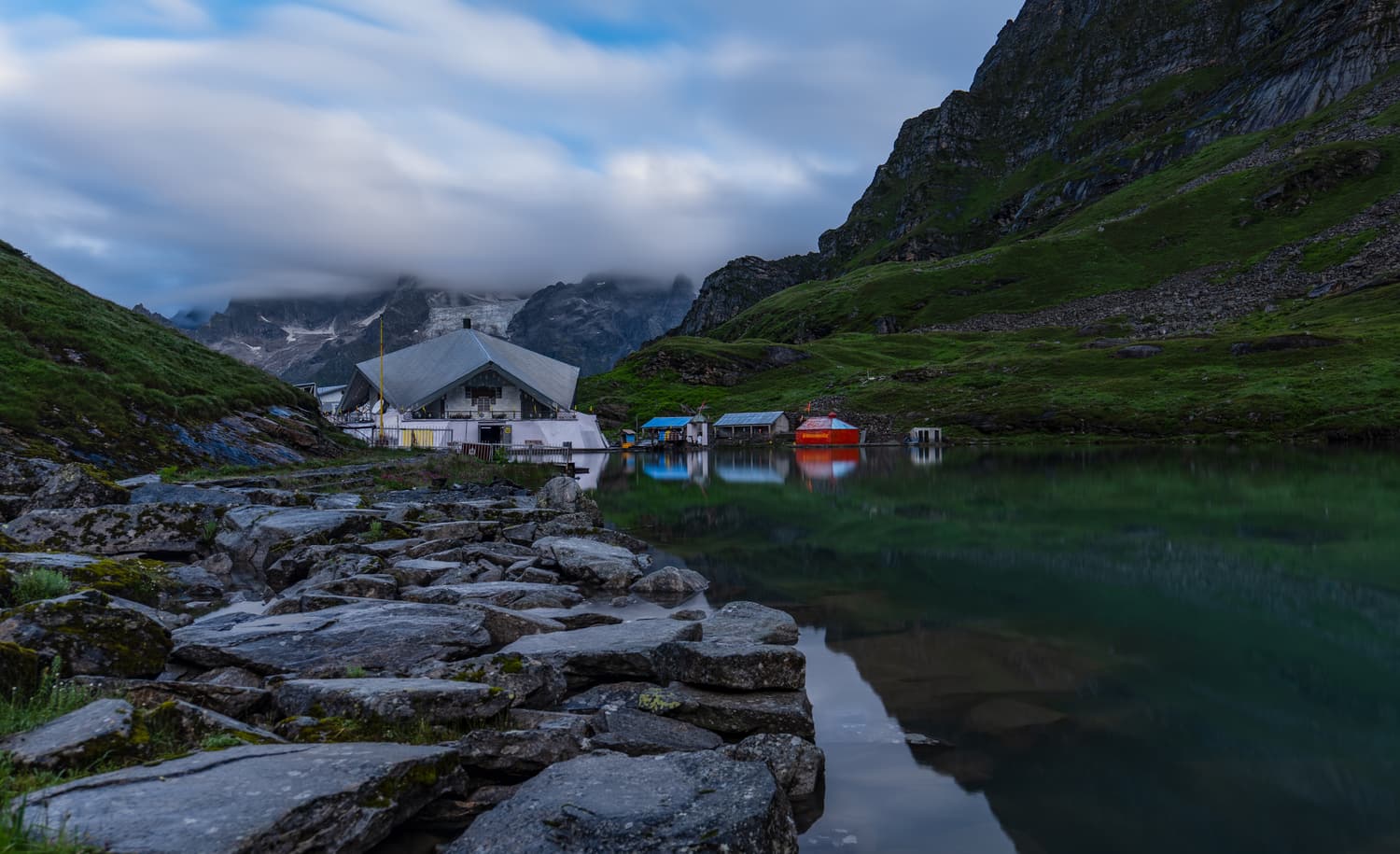
The Hemkund Sahib gurudwara reflected in Lokpal lake below rocky peaks On the trek

Hemkund Sahib

A Sikh shrine beside a glacial lake at about 4,329 m

One of the highest gurudwaras in the world, set beside a cold, clear lake ringed by seven peaks, with the small Lakshman temple next to it. A steep six-kilometre climb from Ghangaria, lined with Brahma Kamal in late summer.

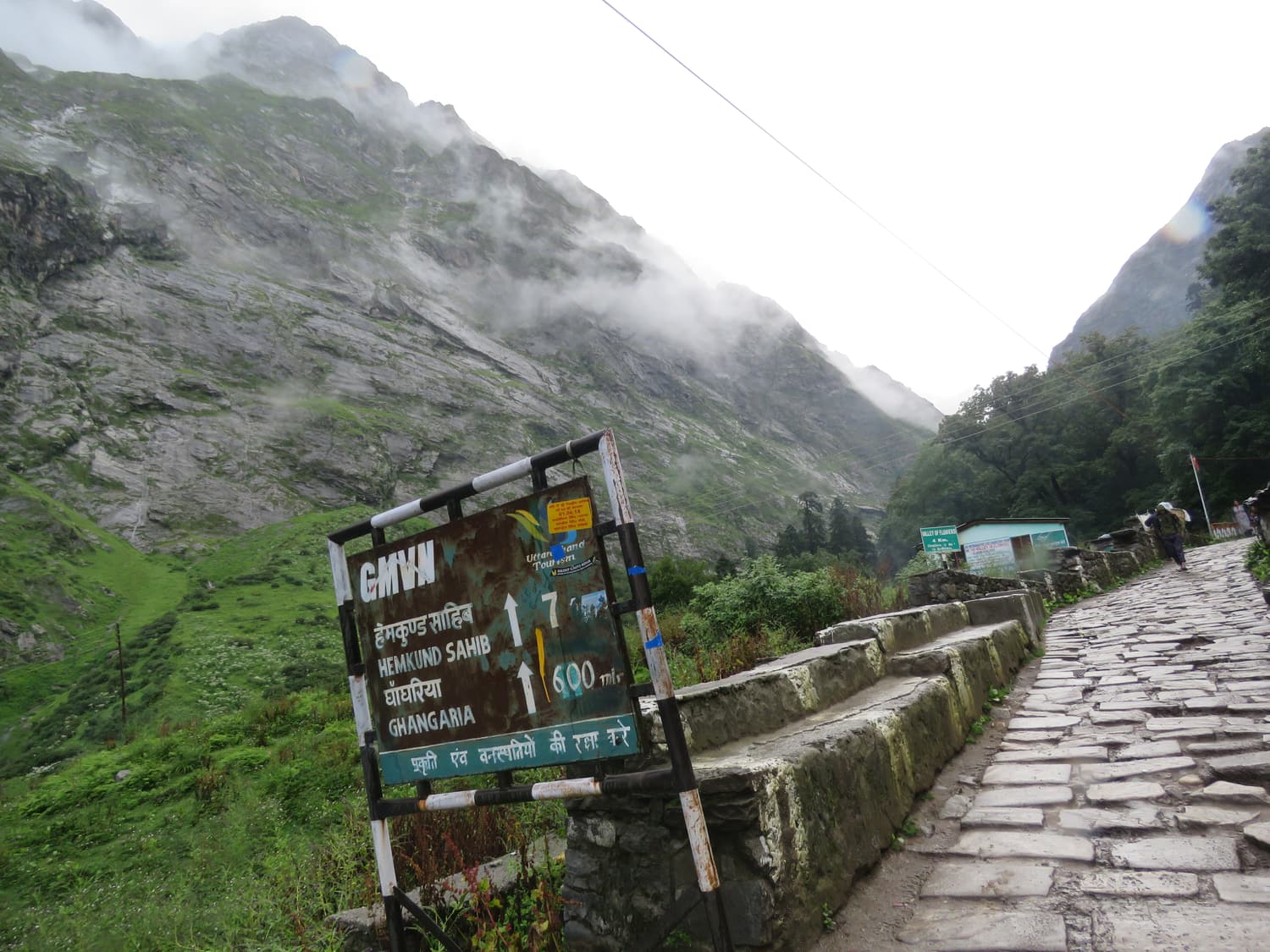
The stone-paved trail and a signboard near Ghangaria under cloud-covered valley walls On the trek

Ghangaria

The last village, and base camp for both walks

A seasonal cluster of lodges, dhabas and a large gurudwara at around 3,050 metres, where the trails to the Valley of Flowers and Hemkund Sahib divide. Everyone sleeps here — there is nowhere to stay beyond it.

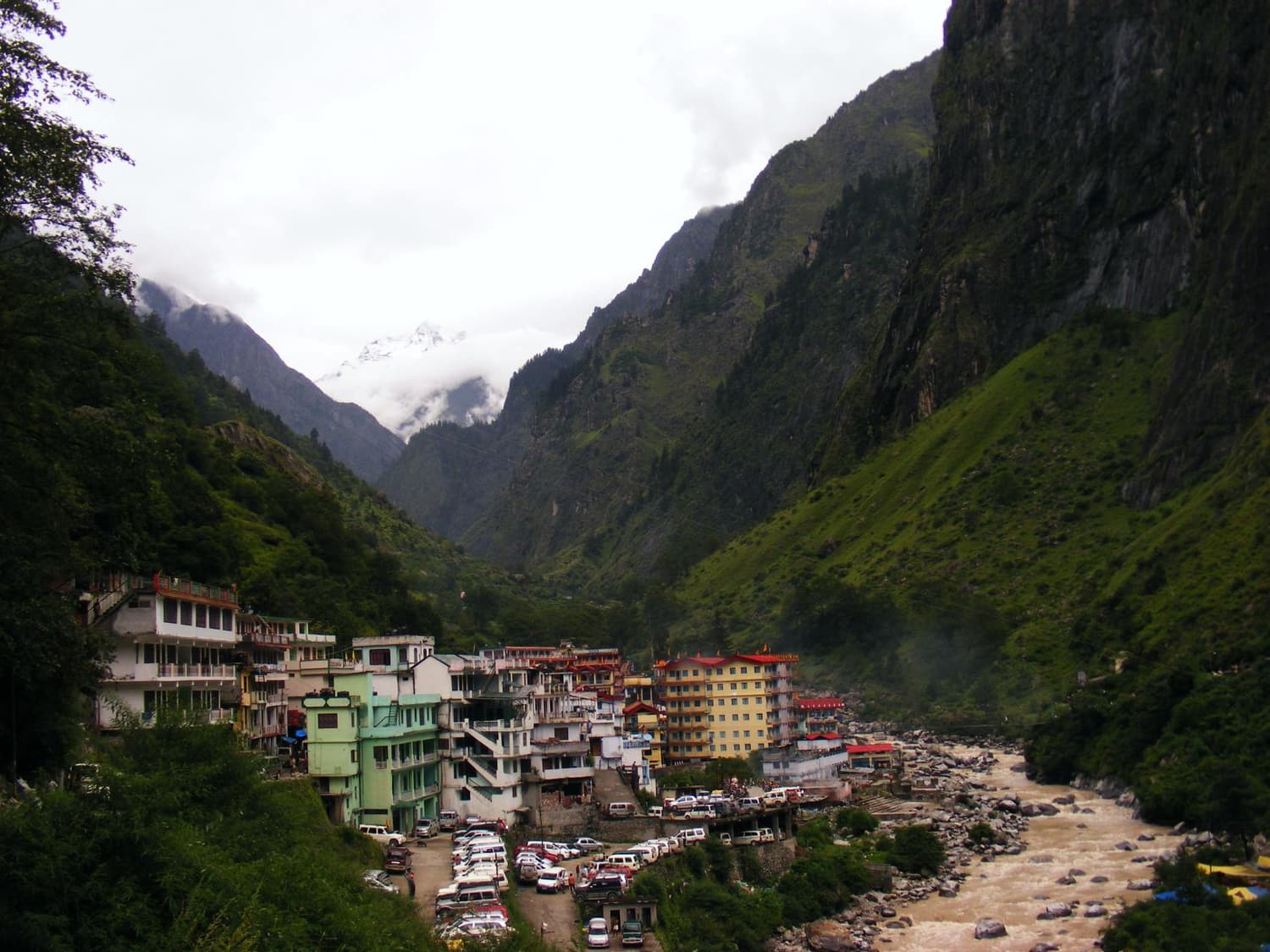
Hotels and the gurudwara at Govindghat crowded along the banks of the Alaknanda On the trek

Govindghat & Pulna

Where the road ends and the trail begins

A roadside settlement on the Badrinath highway at the meeting of the Alaknanda and Lakshman Ganga rivers. From here shared jeeps run the few kilometres to Pulna village, the start of the walk to Ghangaria.

Joshimath & the high valleys

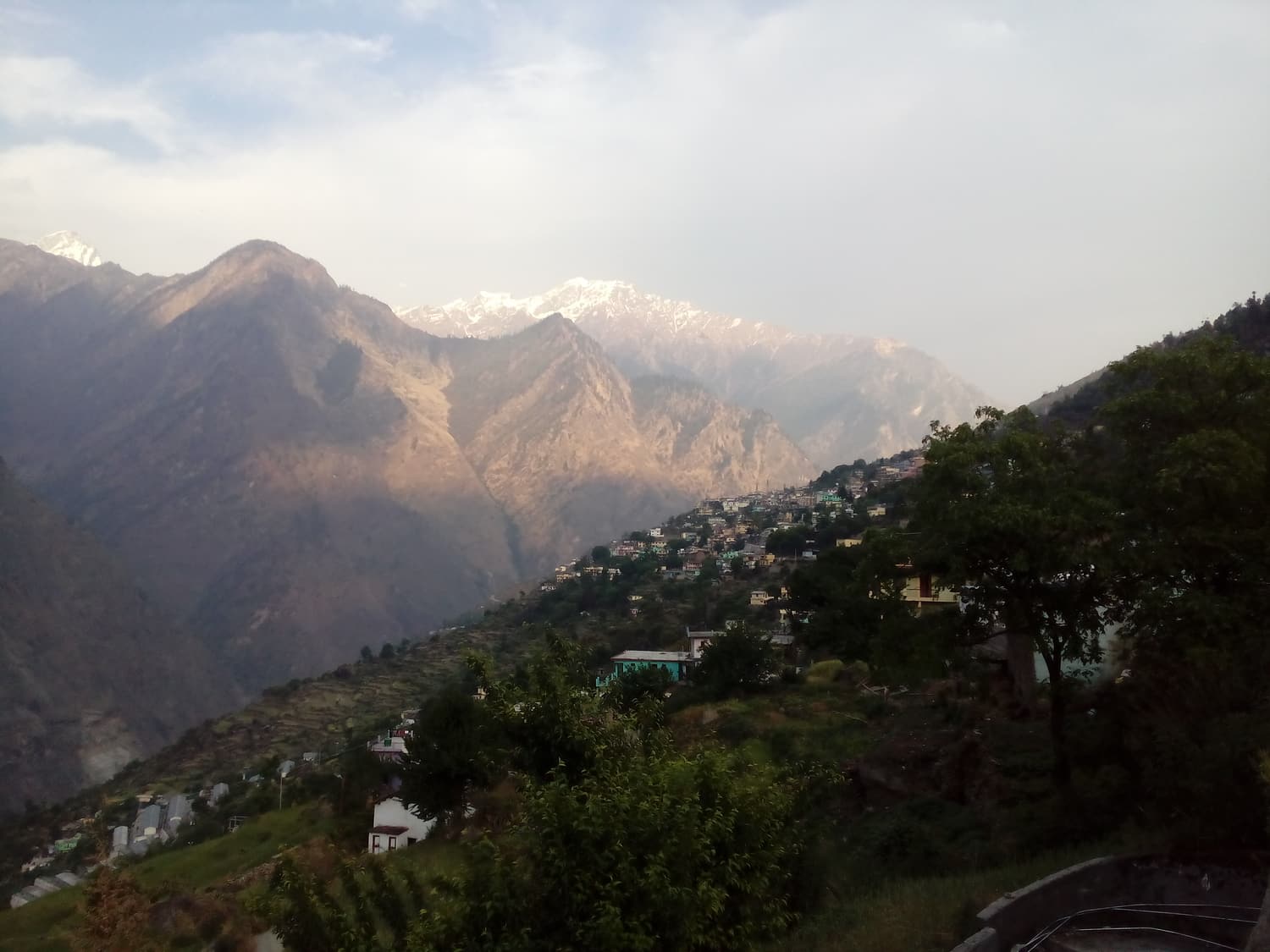
The town of Joshimath spread across a mountainside with snow peaks catching the light Joshimath & the high valleys

Joshimath (Jyotirmath)

The gateway town above the Alaknanda

The main town of upper Chamoli and the usual overnight halt before the trek: ancient temples, the last dependable ATMs and shops, and the road junction for Auli, Badrinath and Govindghat. Parts of the town were damaged by land subsidence in 2023.

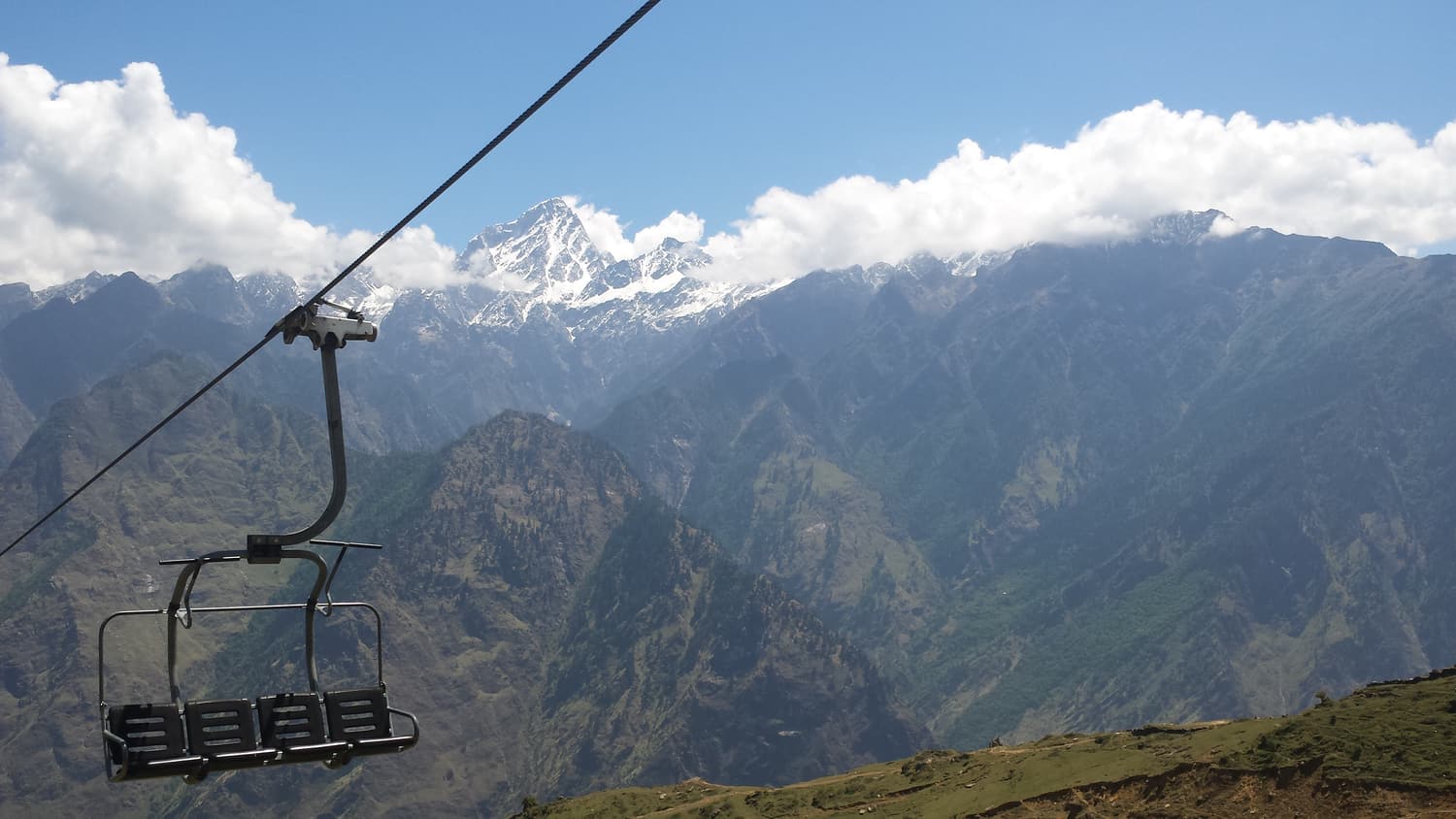
A chairlift at Auli with a wall of snow-covered Himalayan peaks behind Joshimath & the high valleys

Auli

Meadows and ski slopes facing Nanda Devi

A high meadow resort above Joshimath, known for winter skiing and, in clear weather, for one of the finest panoramas in Garhwal — Nanda Devi, Dunagiri and their neighbours. A worthwhile extra night if your schedule has slack.

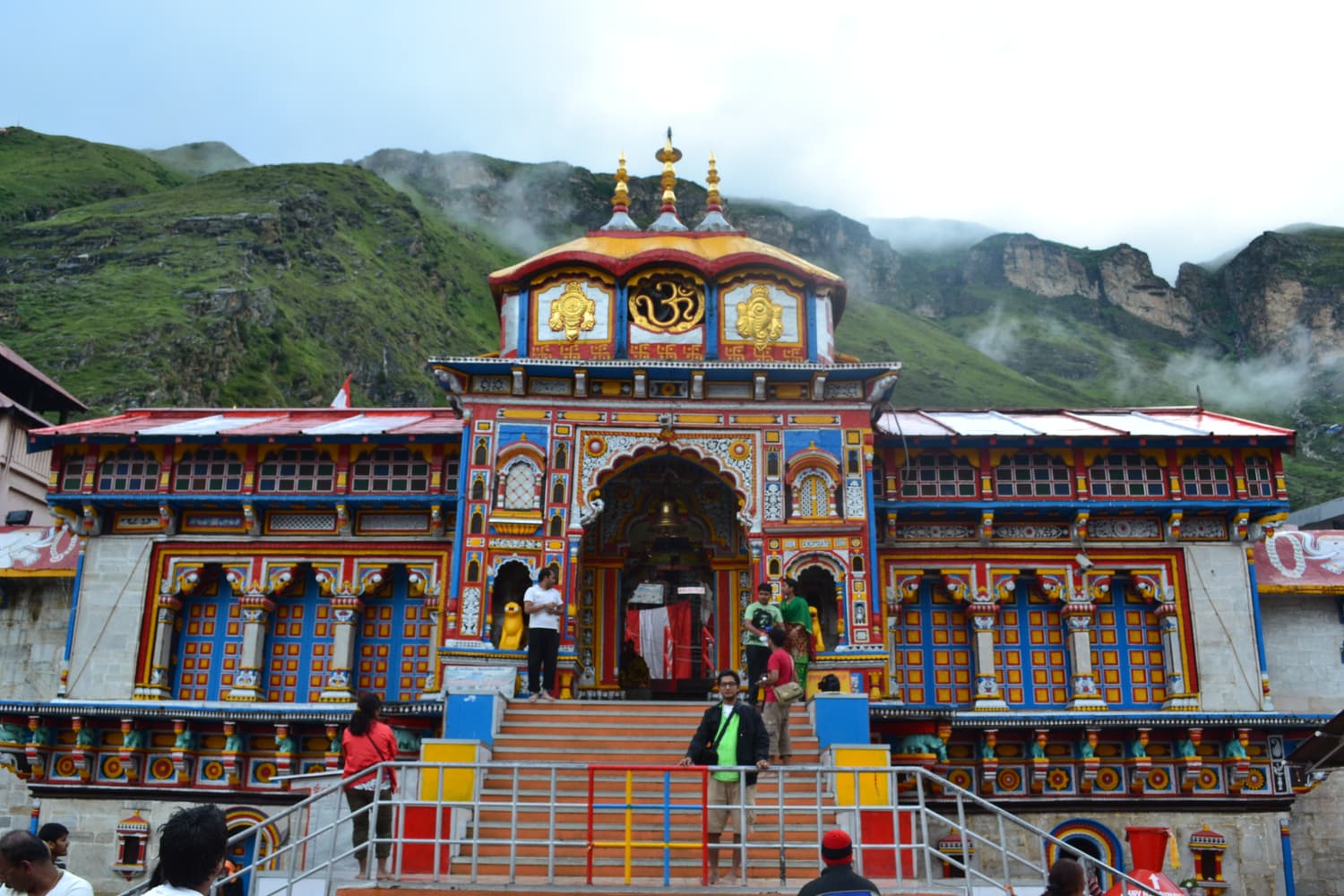
The brightly painted facade of the Badrinath temple with pilgrims on its steps Joshimath & the high valleys

Badrinath

The Vishnu temple at the end of the road

One of the four Char Dham shrines of the Indian Himalaya, about 25 km up the highway from Govindghat at roughly 3,100 metres. The painted temple, the Tapt Kund hot spring and the Neelkanth peak make it the obvious side trip from the trek.

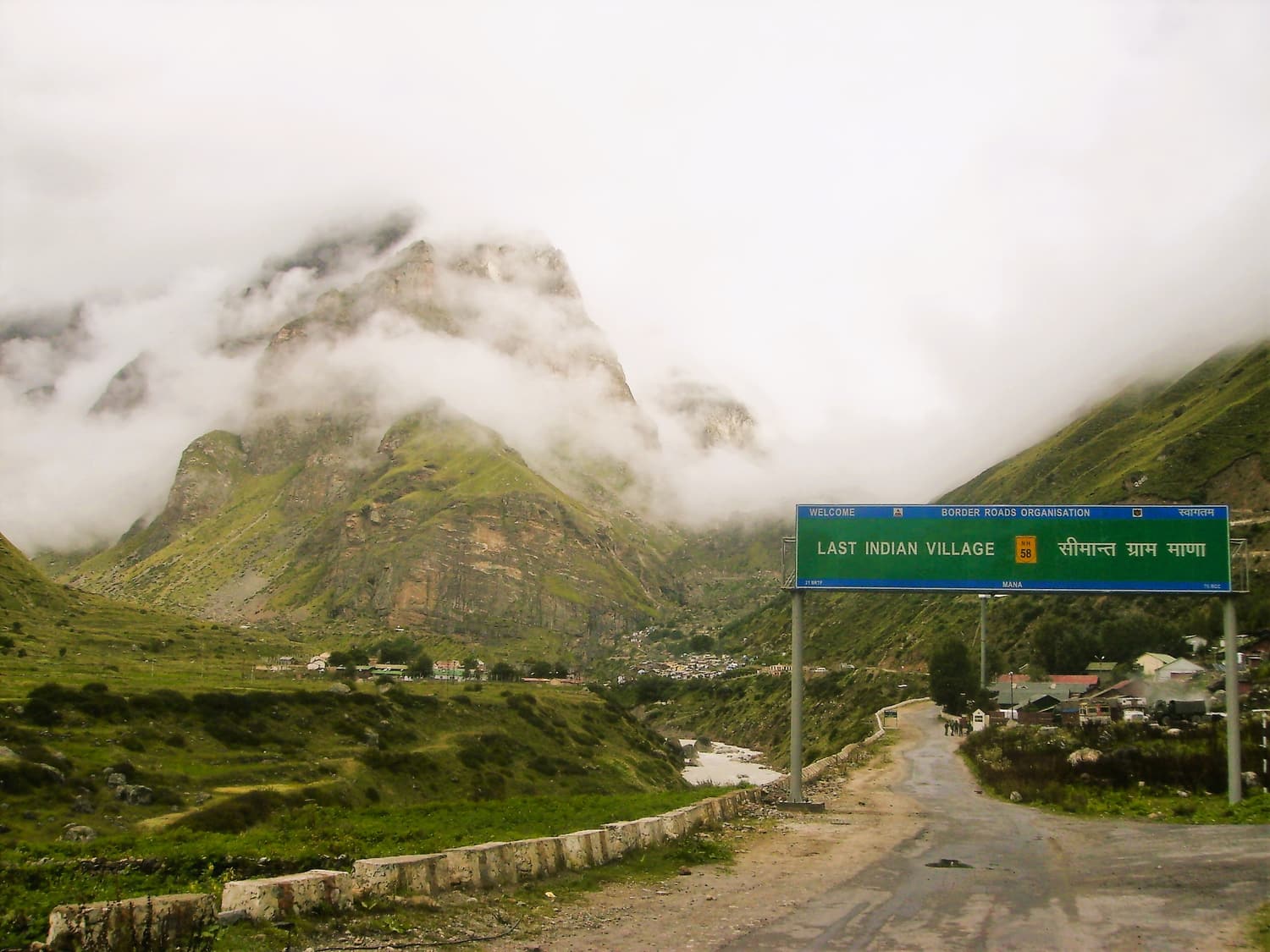
The road into Mana with a signboard announcing the last Indian village and green slopes behind Joshimath & the high valleys

Mana Village

The last village before the Tibetan border

A stone-built village of the Bhotia people three kilometres beyond Badrinath, with the rock bridge of Bhim Pul over the roaring Saraswati, the Vyas cave and the start of the walk to Vasudhara Falls.

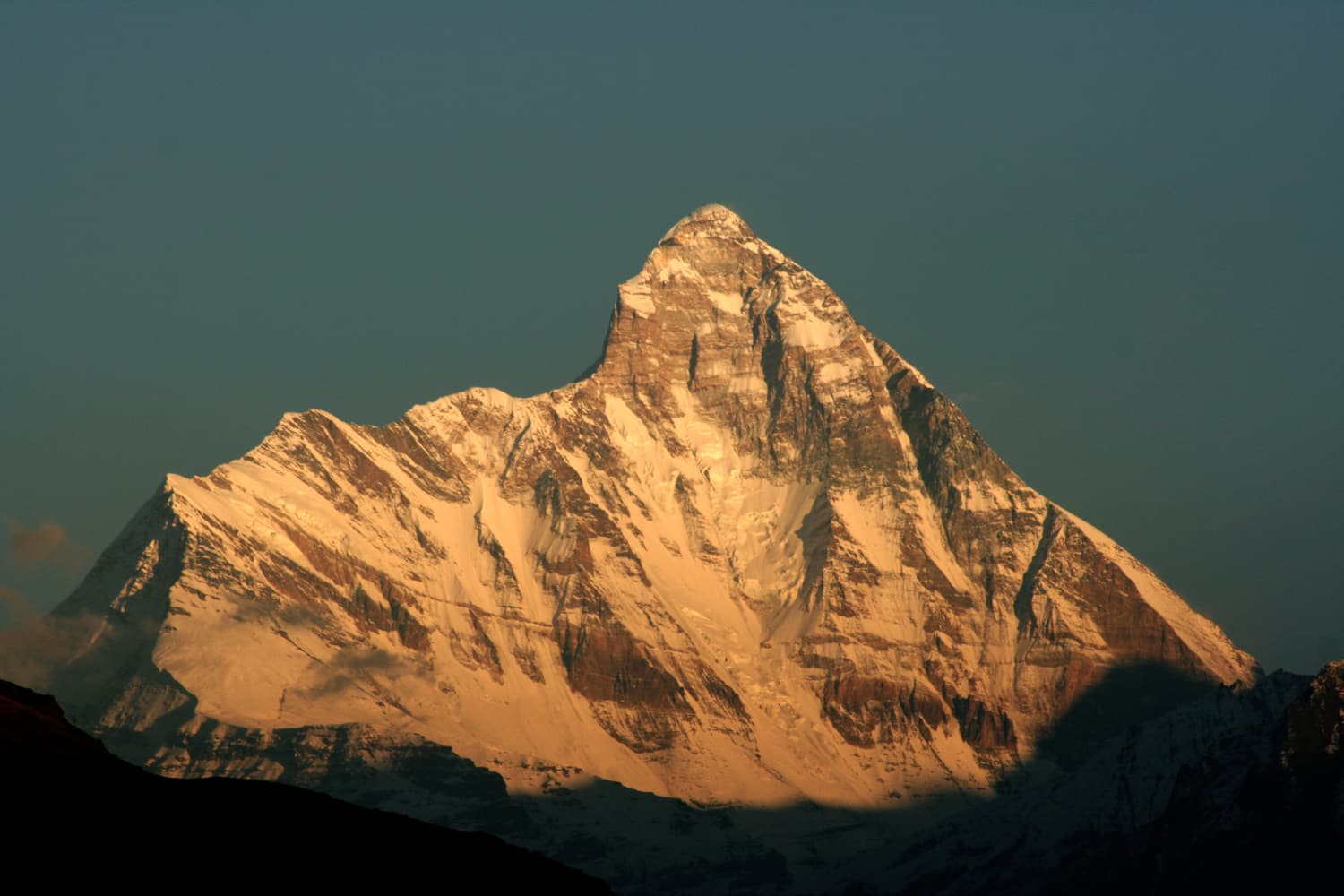
The summit of Nanda Devi glowing orange in low sunlight Joshimath & the high valleys

Nanda Devi National Park

The other half of the World Heritage Site

The ring of peaks around India’s second-highest mountain, inscribed by UNESCO together with the Valley of Flowers. Its inner sanctuary is closed to visitors, but the mountain can be admired from Auli and a limited trek runs in the outer zone.

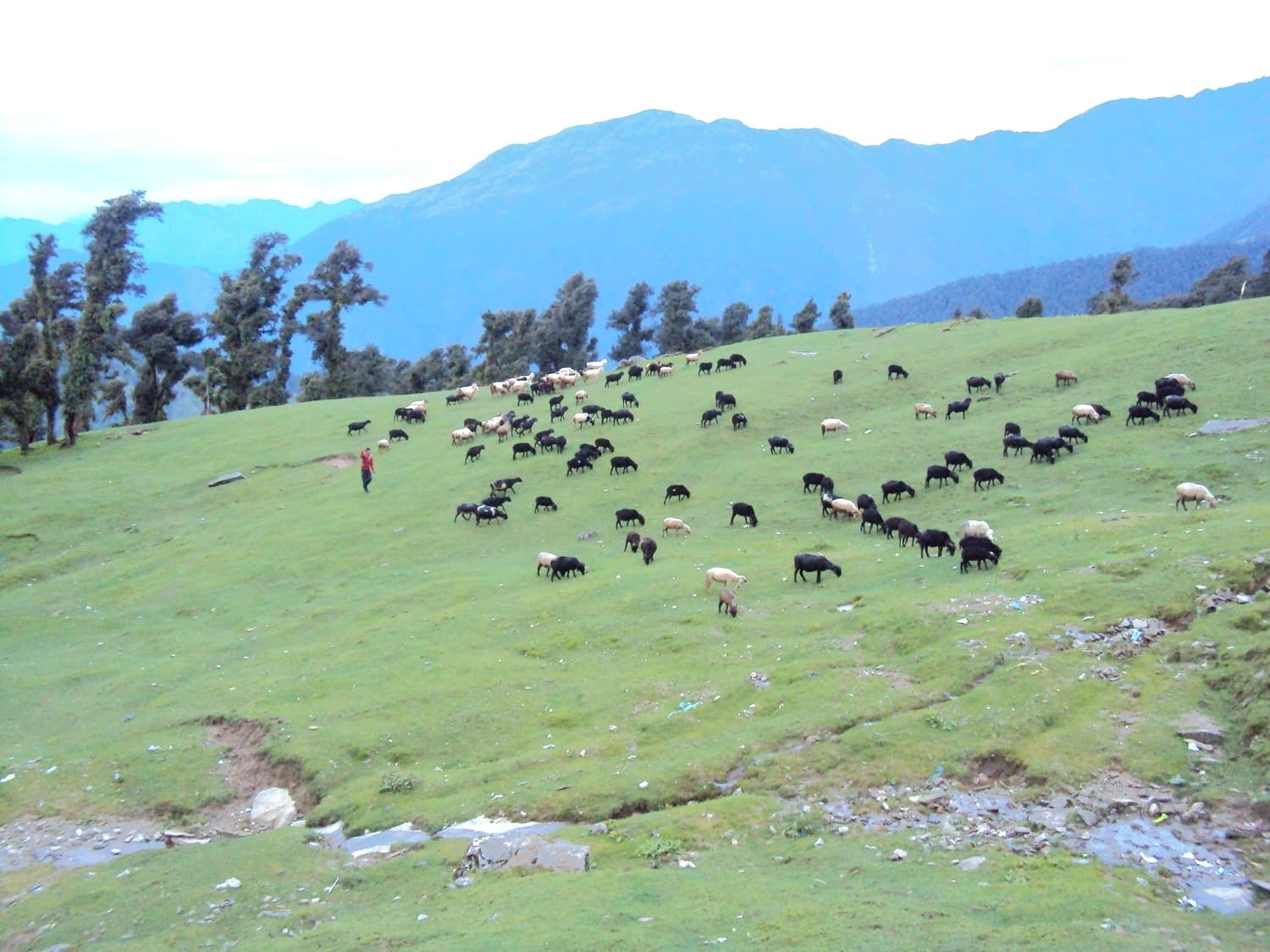
Sheep grazing on the high green grasslands near Chopta Joshimath & the high valleys

Chopta & Tungnath

Meadows and the highest Shiva temple

A detour off the main highway to the meadows of Chopta, the short trek to the Tungnath temple at around 3,680 metres and the Chandrashila summit above it. A classic trek for the months when the valley is closed.

On the road from the plains

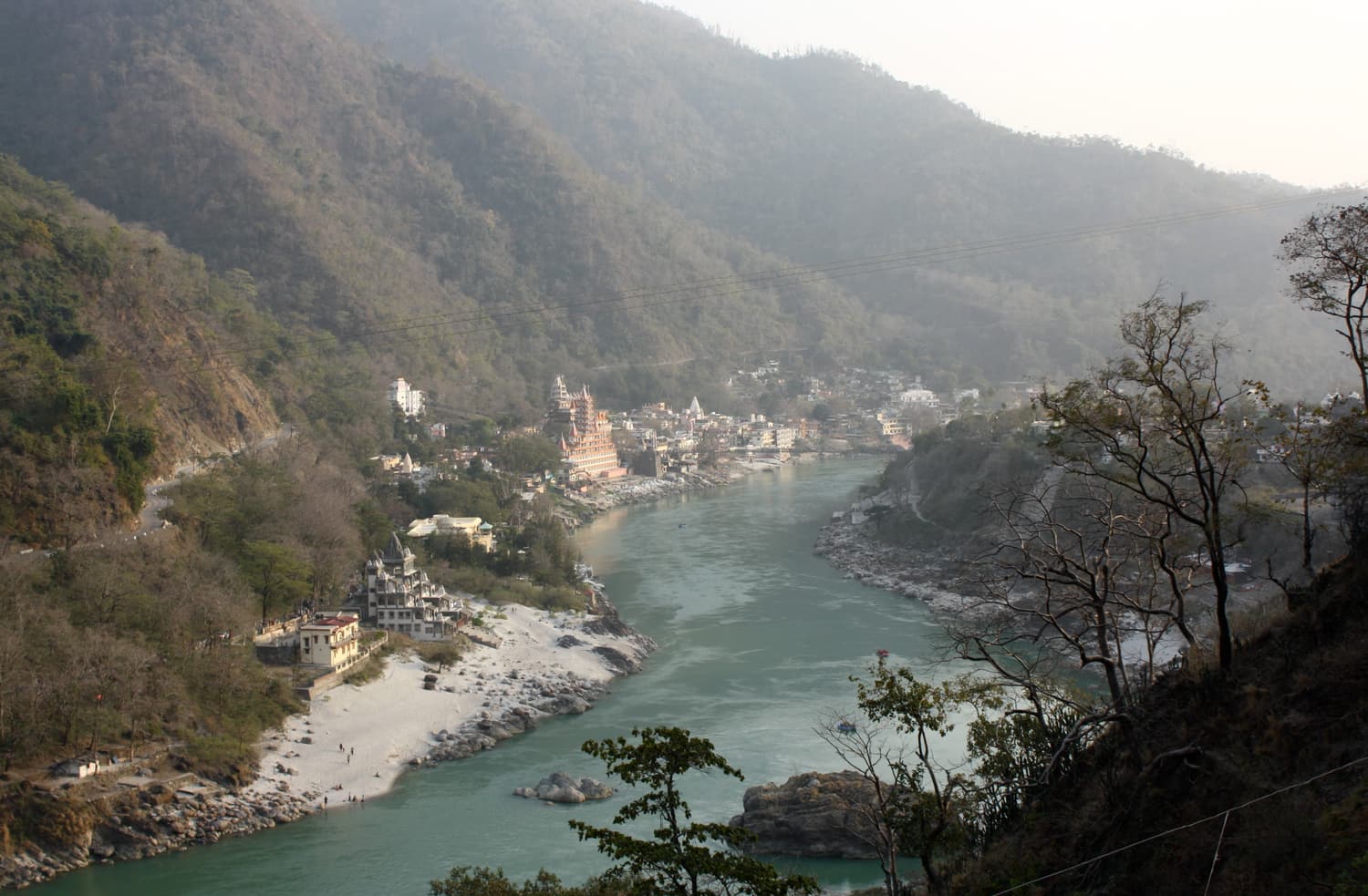
The Ganga flowing between forested hills at Rishikesh with temples on the far bank On the road from the plains

Rishikesh

Where the Ganga leaves the mountains — and most treks begin

The yoga town on the Ganga is the starting point for almost every Valley of Flowers itinerary: ashrams and ghats, suspension bridges, the evening aarti and the last proper outdoor shops before the hills.

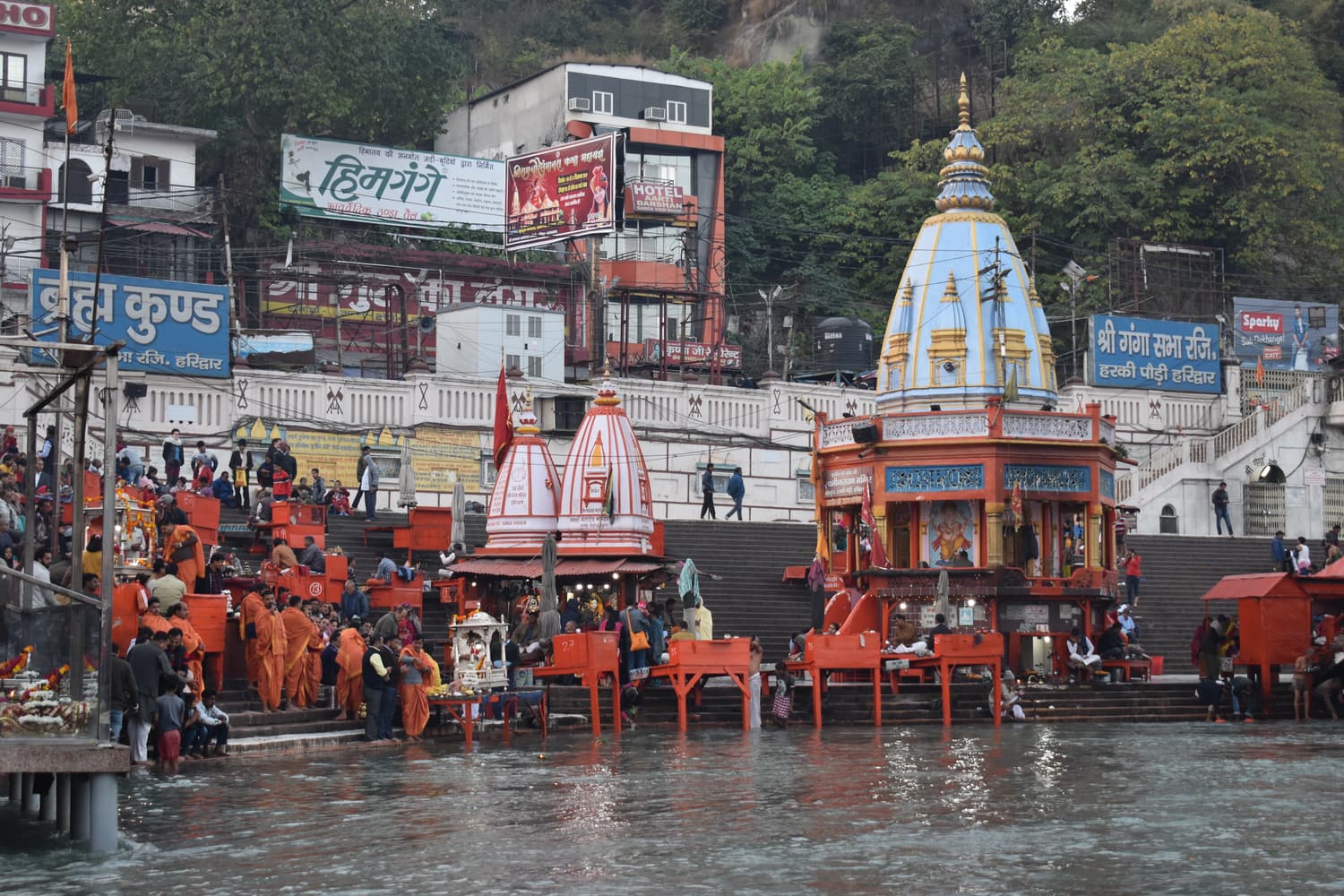
Temples and bathing ghats at Har Ki Pauri on the Ganga in Haridwar On the road from the plains

Haridwar

The railhead and the great aarti at Har Ki Pauri

One of Hinduism’s holiest cities and the main railway station for the region. Many trekkers arrive here by train, watch the Ganga Aarti at Har Ki Pauri and leave for the mountains before dawn.

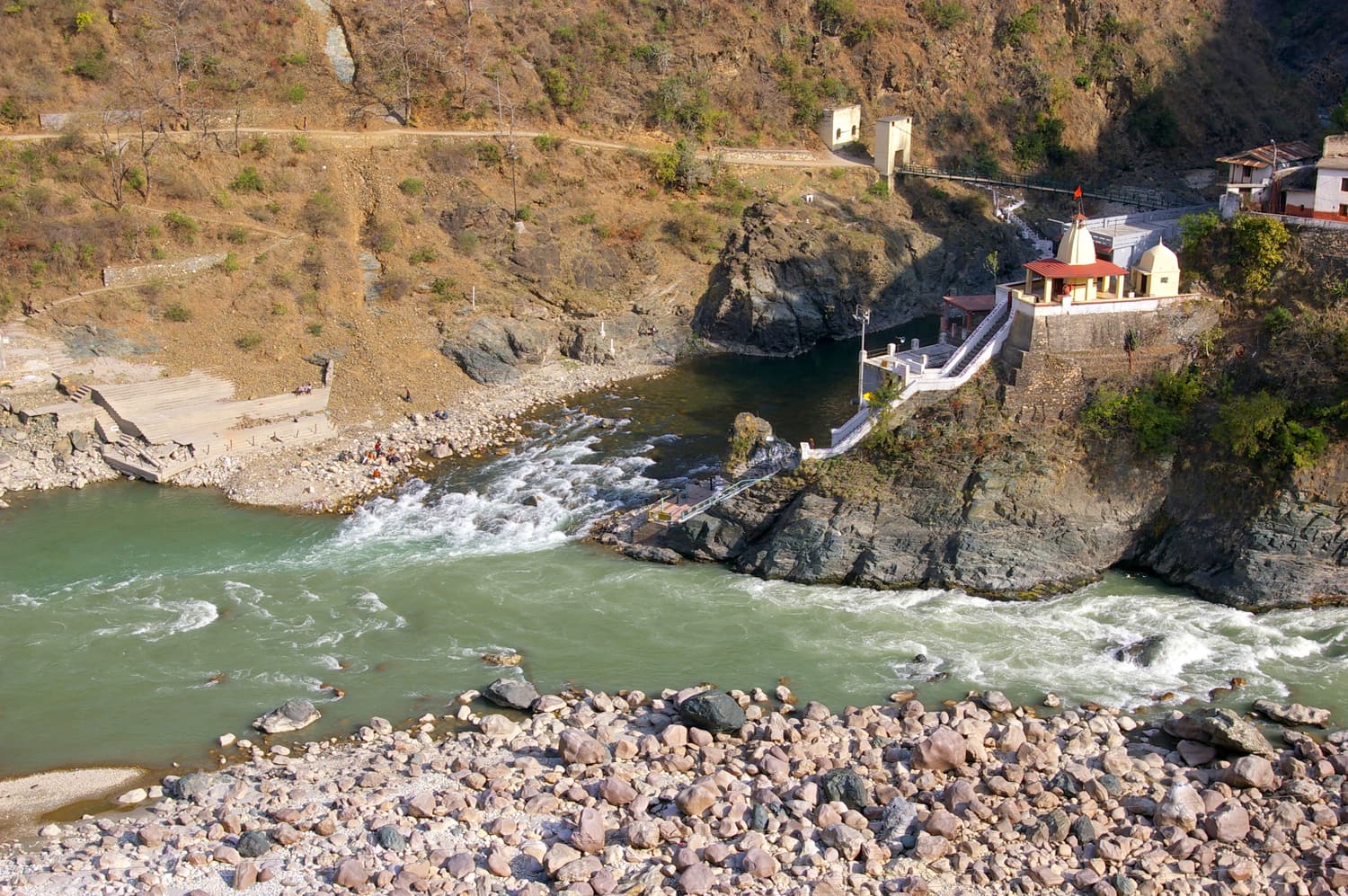
Devprayag town on a rocky spur at the confluence of the Bhagirathi and Alaknanda rivers On the road from the plains

Devprayag

Where two rivers become the Ganga

The most famous of Garhwal’s five sacred confluences: the Bhagirathi and the Alaknanda meet below a small temple town and flow on as the Ganga. The first great stop on the drive from Rishikesh.

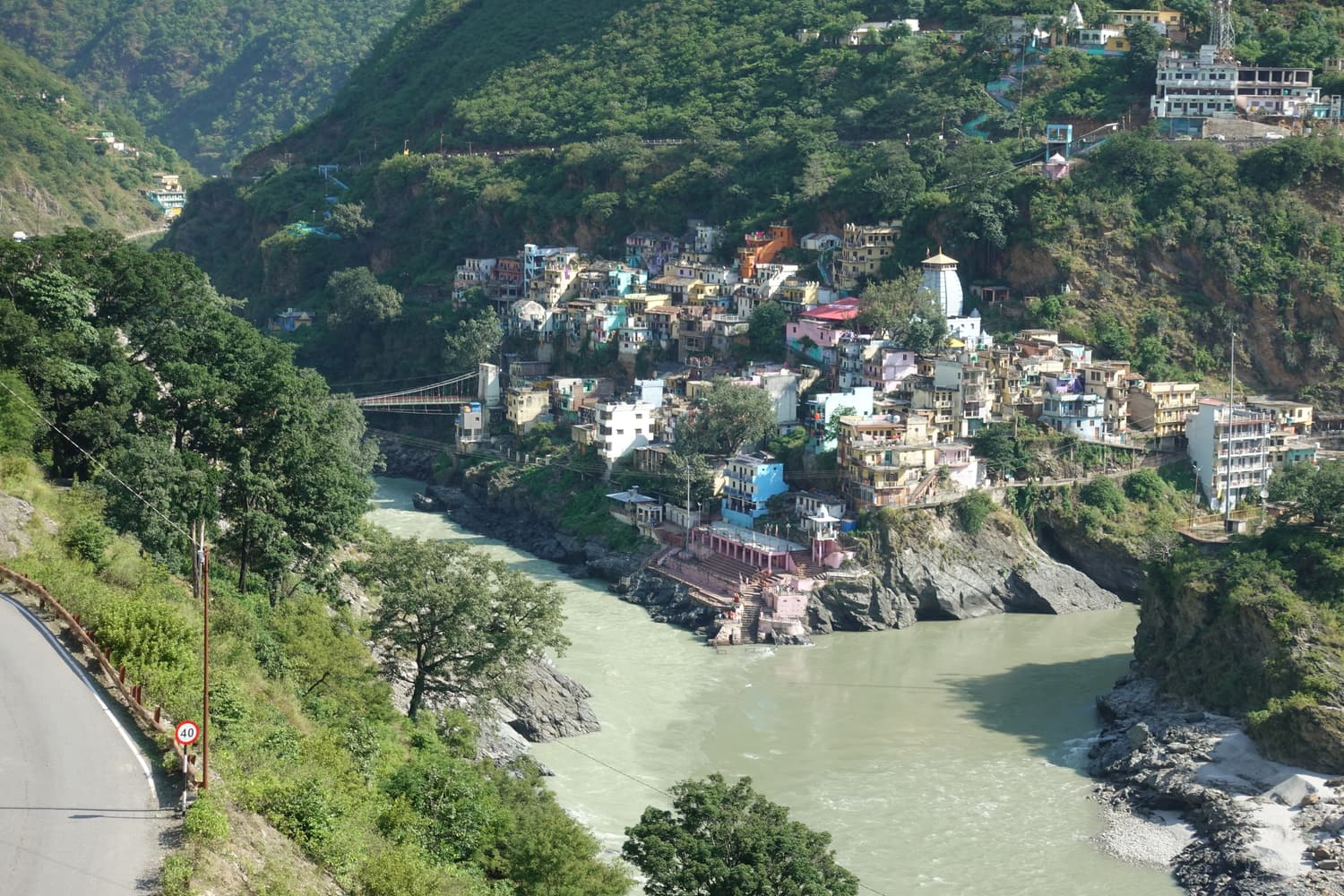
The Alaknanda and Mandakini rivers meeting below a small temple at Rudraprayag On the road from the plains

Rudraprayag

The confluence where the Kedarnath road turns off

A busy town at the meeting of the Alaknanda and the Mandakini, roughly halfway between Rishikesh and Joshimath. A natural lunch or overnight stop, and the junction for Kedarnath and Chopta.

How the places fit together

  • Days 1–2: Haridwar or Rishikesh → Devprayag → Rudraprayag → Joshimath → Govindghat → Ghangaria.
  • Days 3–4: the Valley of Flowers and Hemkund Sahib, one day each.
  • Day 5: down to Govindghat, with Badrinath and Mana as an optional side trip.
  • Day 6: the long drive back to Rishikesh — or an extra night at Auli or Chopta.

See the trek guide for the full itinerary and treks & tours for packages that cover it.

Plan your Himalayan week

Alpine flowers, a glacial lake and the birthplace of the Ganga — in one trip

Trek from Govindghat to Ghangaria, spend a day among the flowers, climb to Hemkund Sahib and stop at Devprayag and Rishikesh on the way. Compare guided treks and book in a couple of taps.